Automation in Manufacturing: The Future or the Present of Metal Fabrication? Discover how automation is transforming our reality and helping to optimize metalworking processes.
What is automation and what is its true purpose?
Automation means the implementation of technologies into work processes to replace or support human labor, achieved through machines, control systems, and digitalization. Its main goal is to increase efficiency, precision, and safety, as well as to reduce the impact of human error.
In short, the most important thing is to make production faster, more cost-effective, and more predictable, while allowing people to focus on tasks that require creativity or supervision.
Today, automation plays a truly decisive role in the field of metal fabrication. For example, CNC systems and industrial robots make it possible to achieve levels of quality and precision that were unthinkable just a few decades ago.
Thanks to such technologies, everything that once required tremendous effort — from large structural components to tiny parts demanding micrometer precision — is now produced much more easily.
A bit of history: from Ford to the era of robots
As we can guess, automation is not a new concept. Its origins date back to the Industrial Revolution, which transformed nations from agrarian to industrial societies.
At first, it meant the use of simple mechanisms such as presses, lathes, and casting machines. The real breakthrough came at the beginning of the 20th century, when Henry Ford introduced the assembly line in his factories.
This became the first major step toward automation as we understand it today. It accelerated production and made the manufacturing of cars more cost-efficient.
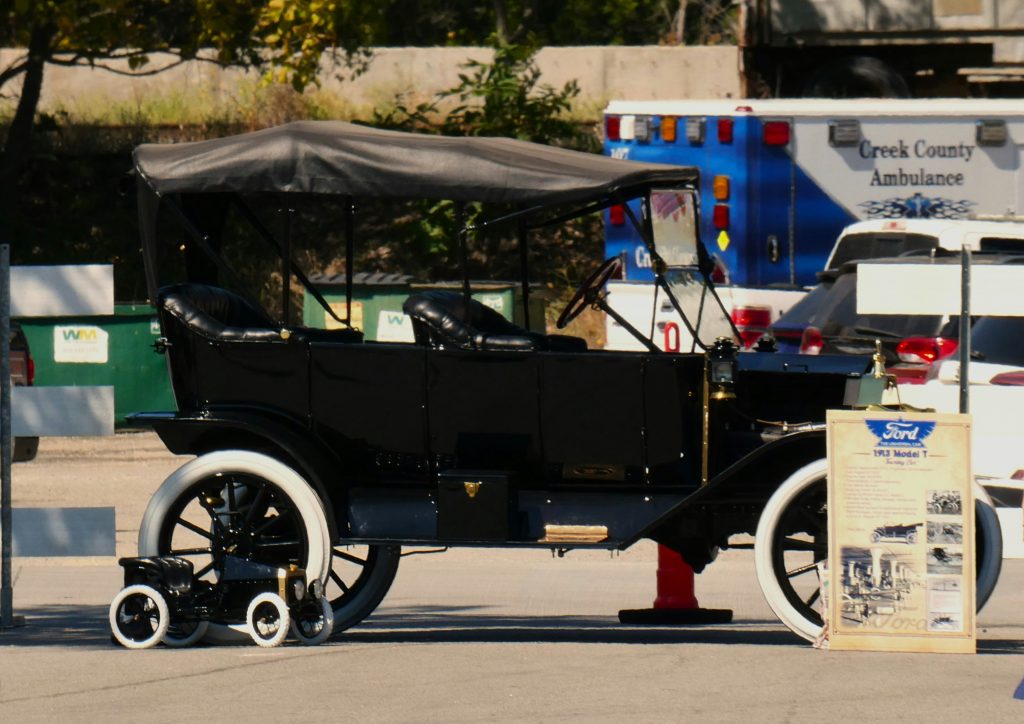
For many factory workers of that time, however, it was an era of monotonous and physically demanding labor.
But today, automation has taken on a whole new meaning and looks completely different than it once did. For over a decade now, we’ve been talking about automation as a core part of the digital industrial revolution (Industry 4.0), where machines analyze data, diagnose errors, and communicate with each other in real time.
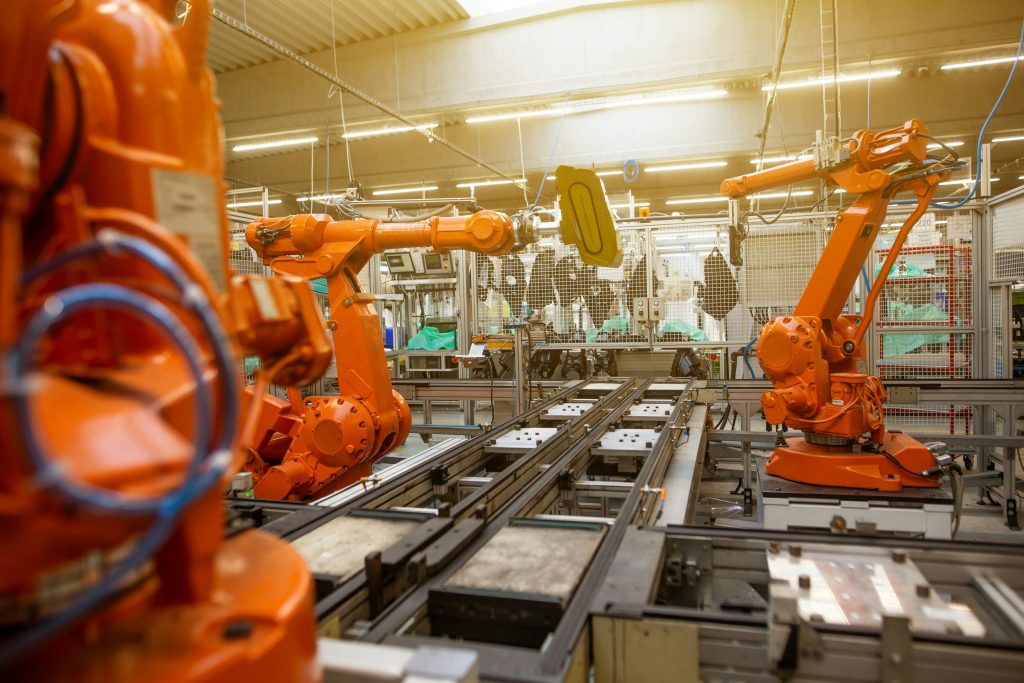
Modern technologies are no longer competitors to humans — they help us make work easier and reduce workload. Robotic systems, sensors, CAD/CAM software, and real-time quality control allow employees to focus on process optimization and monitoring, rather than performing hundreds of repetitive movements every day.
It’s important to emphasize that modern companies use automation not to replace people, but to allow them to perform fewer physical and more intellectual and creative tasks.
At our company, some of these solutions support the production of metal enclosures, metal furniture, and technical equipment — reducing production time while ensuring the highest quality.
Examples of automation around us
We can see automation literally everywhere today — in self-checkout supermarkets, smart home systems, gas stations, and even public transport. In many (if not all) areas of our lives, technologies now perform tasks that once required human presence.
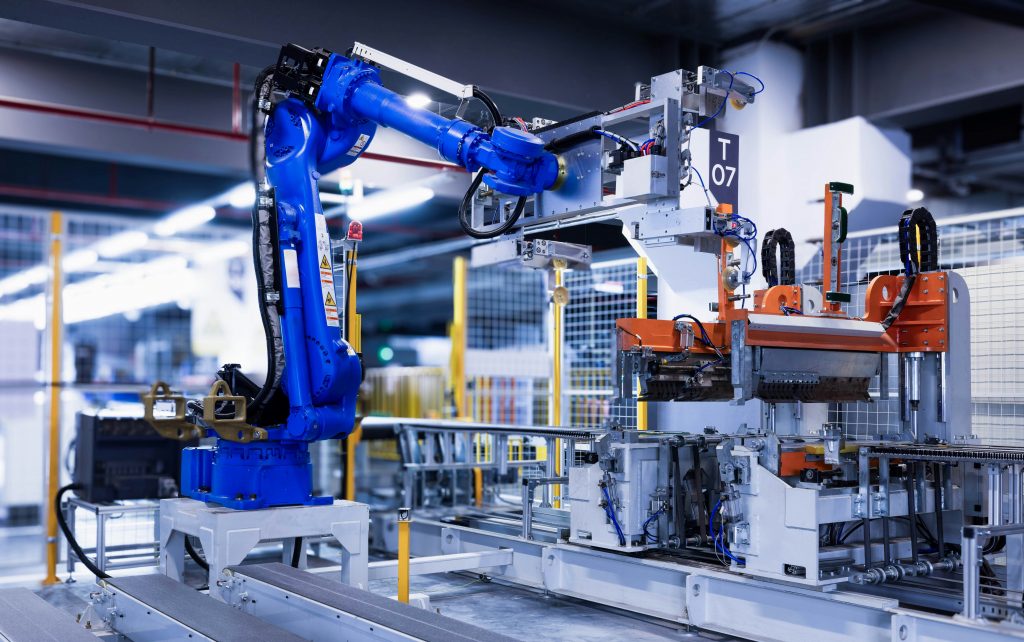
In the metallurgical industry, for example, automation manifests in metalworking, where CNC technology and robotics ensure precise control over multiple stages of metal manipulation and product manufacturing:
Metal cutting
Modern CNC laser machines can cut steel, aluminum, or stainless-steel sheets much faster. Because the process is computer-controlled, repeatability remains exceptionally high, while material waste is minimal.
(You can order fast and professional laser metal cutting with us.)
Metal welding
Robotic welding stations equipped with laser or MIG/MAG technology deliver joints of high quality and strength. Robots don’t get tired, their hands don’t shake, and they can work for many hours non-stop.
(With ordering our robotic welding services you can be sure your parts will have perfect joints and a clean, aesthetic look.)
Grinding and metal finishing
This is one of the key stages of proper metal fabrication, performed with an automatic grinding machine to achieve flawlessly smooth surfaces on the elements.
Thread cutting and drilling
Threading machines with programmable and numerical control allow quick drilling for screws or bushings, which significantly reduces assembly time.
Metal bending
CNC press brakes enable complex bends with minimal deviation from the design. Although this technology is not new, it continues to evolve, becoming more autonomous thanks to the integration of robots and machines.
(If you need metal bending services, we’re what you are looking for. Our cooperation will definitely bring great results.)
All these processes can be fully integrated. From CAD design to final surface finishing and assembly into a complete product. This is what modern metalworking looks like today.
Benefits of automation
The advantages are enormous:
- Higher precision and quality – machines eliminate human error, ensuring repeatability and reducing defects.
- Time and cost savings – automation streamlines factory operations, making production faster and more economical.
- Workplace safety – robots perform dangerous or exhausting tasks that could cause injuries or fatigue.
- Greater competitiveness – companies can respond faster to market needs and deliver solutions on time.
- Environmental efficiency – automation enables better energy control and waste reduction.
As a result, metalworking companies (like Metabox) can deliver products not only faster, but also with higher precision, greater flexibility, and a more eco-friendly approach.
Conclusion
Automation is not only the future of industry — it is the reality that has been shaping our world for years. From simple assembly lines to advanced electronic control systems, every step toward automation is an investment in productivity, quality, and safety.
Our company has hands-on experience implementing automation in production — including a laser welding robot and a CNC laser cutting machine. We specialize in manufacturing metal enclosures, structural components, and industrial parts. Modern technologies combined with our team’s expertise allow us to successfully deliver even the most demanding projects in the field of comprehensive metal fabrication and metal products manufacturing.