


Manufacturing metal enclosures and cabinets in Ukraine in 2026. How much does it cost, what factors influence the price, and what should you consider when placing an order?
The metalworking market in Ukraine in 2026 represents a balance between rising costs and the real business need for reliable metal products, particularly enclosures. Prices fluctuate from year to year. They are influenced by the cost of raw materials, logistics, exchange rates, and other factors. But if you understand what goes into the cost of manufacturing a metal enclosure, you can plan your budget without unpleasant surprises and choose a manufacturer with confidence.
In this article, we’ll break down the cost components of a metal cabinet. You’ll learn how the price is determined, from the design phase through to the final stage of manufacturing. This will help you understand what you’re paying for and how to optimize costs without compromising the quality of the metal product.
1. Cabinet / enclosure design
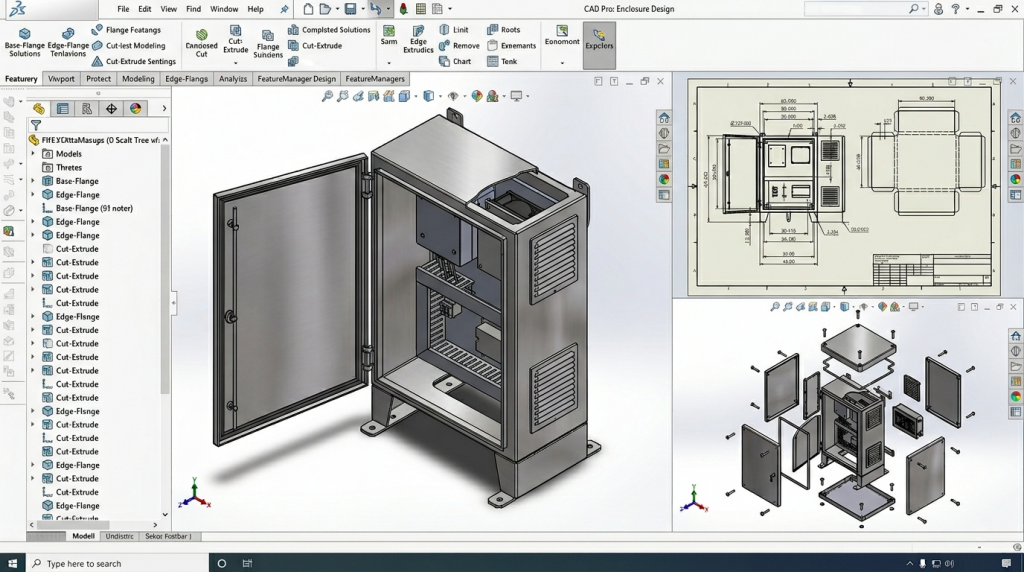
So, let’s start with the development phase.
There are two possible scenarios here: in one of them, You may already have a finished drawing or 3D model in DXF or STEP format. In this case, you provide the manufacturer with your design, and they, in turn, adjust their production processes to manufacture your order. In this situation, the cost is lower, since there is no need to spend money on development. Secondly, the lead times are shorter, since creating a housing from scratch takes a certain amount of time.
The second approach to manufacturing a metal enclosure involves the customer coming with their own idea or cabinet sketch. In this situation, engineering design and development will be required, with costs typically starting from UAH 40,000 in Ukraine. However, you will receive a turnkey product designed and manufactured specifically to meet your requirements.
What should be prepared before ordering a metal cabinet/enclosure (a short checklist for project evaluation):
- Dimensions
- Type of metal
- Metal thickness
- Number of openings and cutouts
- Mounting requirements (additional fasteners, non-standard design solutions)
- Installation location of the enclosure/cabinet (outdoor, wall-mounted, etc.)
- Type of coating or painting
2. How do I choose the right metal for a cabinet?
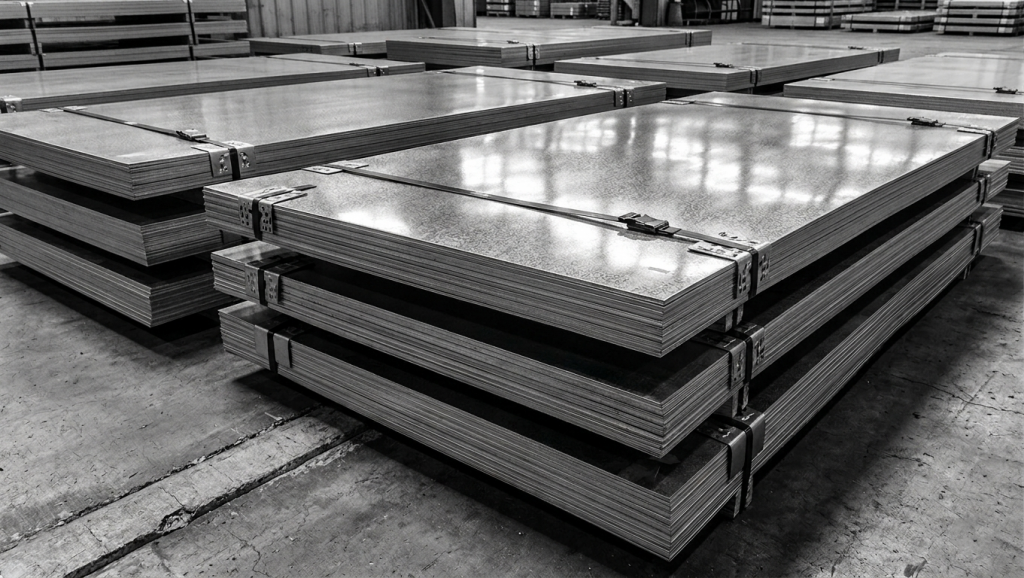
The cost of metal directly affects the final price of a cabinet. This is not the manufacturer’s markup, but rather the market price of the raw material, which depends on many factors, including exchange rates, economic conditions, and overall market trends.
Reputable manufacturers will provide you with the actual cost of the metal used to manufacture your product rather than concealing it. Transparency is a key indicator of trust and an essential part of a successful business relationship.
Comparison table of metals for different industries and applications:
| Metal | Typical Applications | Relative Cost* |
|---|---|---|
| Stainless Steel | Food processing, medical, and chemical industries | Highest |
| Aluminum | Smaller, lightweight enclosures (cabinets) for IT and electronics | High |
| Cold-rolled steel (CRS) | Most industrial enclosures | Medium |
| Hot-rolled steel (HRS) | Load-bearing structures, thick-gauge metal applications | Low |
How thick should sheet metal be for a cabinet or enclosure?
The principle is relatively simple: the greater the metal thickness, the heavier and more expensive the cabinet becomes. Conversely, reducing the thickness generally lowers both weight and cost.
However, metal thickness should not be selected based on cost alone, as it has a significant impact on the overall strength of the structure. Insufficient thickness may lead to unwanted deformation, instability, or a lack of rigidity.
Few companies want to risk their reputation because of an unreliable product. Therefore, it is important to find an optimal balance between performance and cost by selecting parameters that provide adequate durability while keeping the project economically viable.
Recommended thicknesses for common applications:
| Type of Metal Product | Recommended Thickness* |
|---|---|
| Self-service kiosk / ATM cabinet | 2-3 mm |
| Tool trolley | 1-1.5 mm |
| Metal cabinet | 1-2 mm |
| Vending machine enclosure | 1-2 mm |
| Parking meter enclosure | 2 mm |
3. How are metal cabinets and enclosures manufactured?
This is one of the key stages in the entire metal enclosure or cabinet production process. As the number of manufacturing operations increases, the cost of the final product also rises. Therefore, it is important to understand that enclosure production typically includes the following stages:
- Initial metal preparation (cleaning and surface preparation).
- Laser cutting – high precision and machine operating time come at a cost; the more cutouts and features required, the longer the machine must run.
- Press brake bending – each bend is a separate operation that adds to the overall manufacturing cost.
- Welding – multi-component metal products require more welding operations and higher assembly effort, making them more expensive.
- Painting and finishing – high-quality coating typically involves at least three stages: surface preparation, painting, and curing (baking the coating).
- Cabinet assembly – complex designs require more assembly time and greater involvement from skilled technicians.
These stages are labor- and energy-intensive and require skilled professionals. Experienced specialists deserve appropriate compensation for their work, which is why a well-manufactured, high-quality product will generally cost more than an average one.
In general, it is advisable to discuss cost optimization options with the manufacturer. Ask which operations are critical and where the design can be simplified without compromising functionality, reliability, or performance.
4. What is the best coating for a metal cabinet?
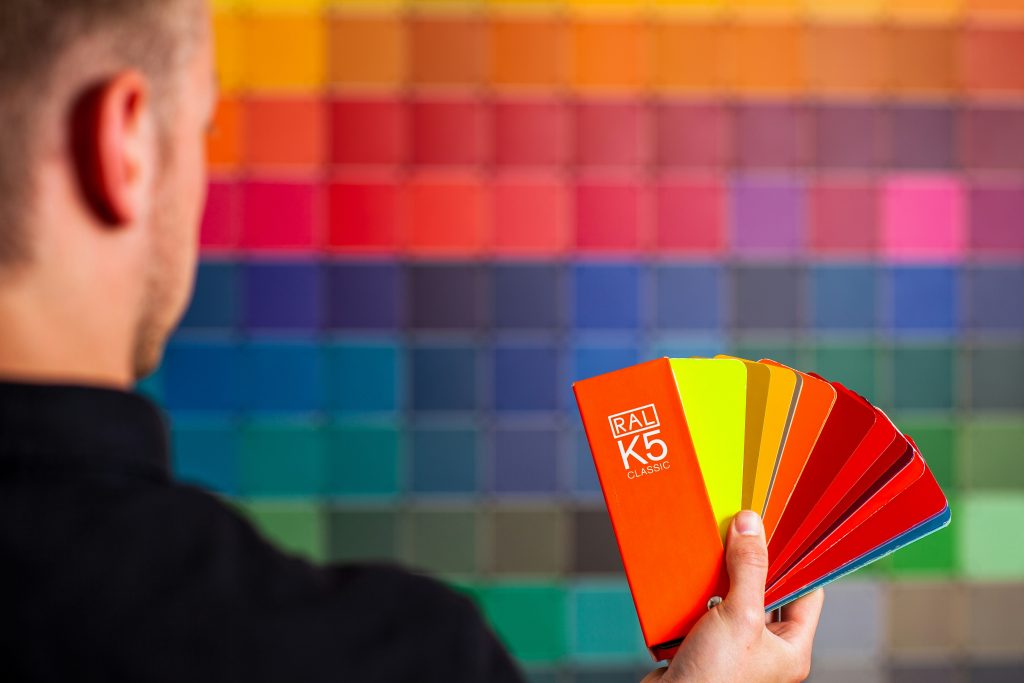
Surface finishing is not only about aesthetics and visual appeal, although these are certainly important considerations. Proper protection of the metal surface can extend the service life of a product by 2-3 times, especially in outdoor or industrial environments. Cutting costs on protective coatings often results in the need to replace the device after just a few years of use.
Main types of surface finishes:
| Finish / coating | Typical applications | Advantages |
|---|---|---|
| Powder Coating | Most metal enclosures (cabinets); provides an attractive appearance | Durable, wide range of RAL colors, cost-effective |
| Galvanizing (zinc coating) | Outdoor cabinets and humid environments | Excellent corrosion protection, primarily functional rather than decorative |
| Anodizing | Aluminum enclosures for IT, electronics, and medical equipment | Integral surface treatment that does not peel or flake off |
| Chrome Plating | Decorative components and trim elements | Enhanced wear resistance and attractive finish |
| Uncoated Finish (Oxide layer, brushed surface) | Components intended for indoor or internal use | Lowest cost and simple processing |
5. How does production volume affect enclosure/cabinet cost?
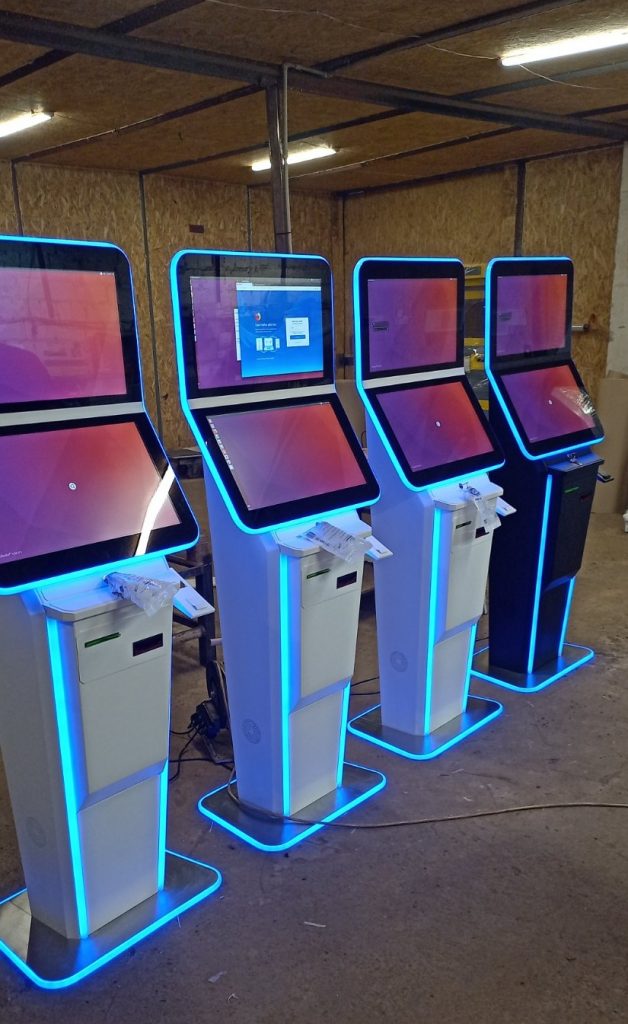
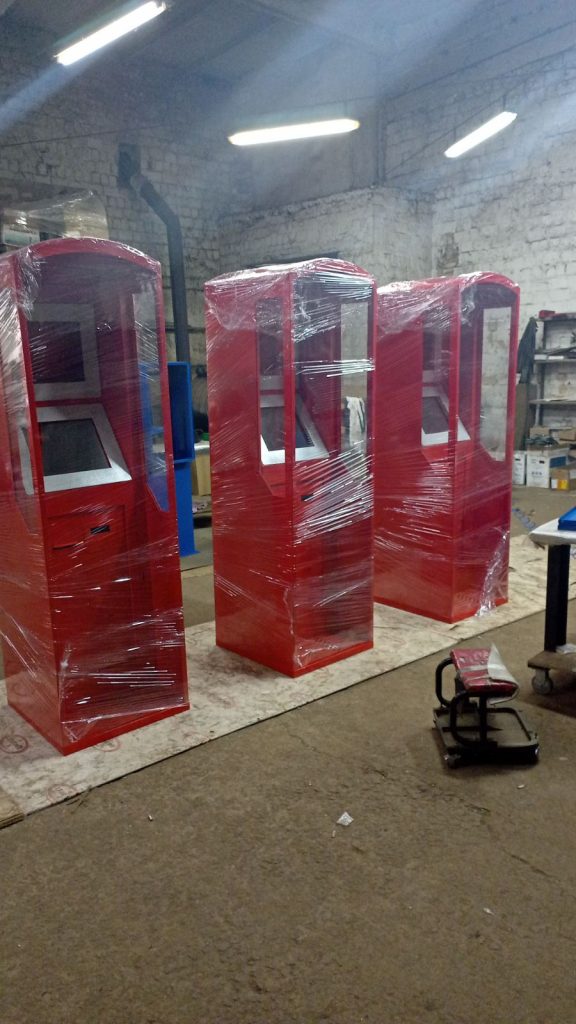
Every order – whether for a single enclosure or a full production batch – requires preparation of the manufacturing line for the specific type of metal construction being produced.
This setup process directly affects the final product cost. It typically includes CNC programming, equipment configuration, tooling preparation, and fixture installation. These setup costs are then distributed across all units in the production run.
As a result, ordering 10 enclosures will generally be more cost-effective per unit than ordering just 1, even though the material cost remains the same.
| Production Volume | Relative Unit Cost |
|---|---|
| 1-10 pcs | Highest |
| 10-50 pcs | High |
| 50-100 pcs | Medium |
| 100-200 pcs | Low |
| 200+ pcs | Lowest |
6. How does design complexity affect cabinet manufacturing costs?
This is one of the key factors that should not be overlooked. A simple rectangular cabinet with a minimal number of cutouts is naturally the most economical option. On the other hand, every additional feature – such as internal partitions, ventilation openings, locks, gaskets, and other components – adds to the overall cost. Each of these elements serves a specific functional purpose.
In some cases, an enclosure may be more expensive simply because a particular design solution is required and no alternative is suitable. This is why such requirements should be discussed during the consultation and design stages to avoid misunderstandings later in the manufacturing process.
The following factors, in particular, influence the manufacturing cost of a cabinet*:
- Number of bends, holes, and cutouts;
- Internal partitions, guide rails, locks, hinges, gaskets, and other hardware;
- Non-standard cabinet/enclosure geometry and custom design features.
*This list may vary depending on the specific requirements and objectives of each project.
7. What is the typical lead time for metal cabinet production?
Lead time is also a separate factor in pricing. Timeframes vary depending on the complexity of the metal construction design and the workload of the manufacturing facility. In some cases, the manufacturer may already have the required product in stock, which reduces lead time to shipment and delivery only.
When it comes to manufacturing new cabinets or enclosures, the average standard production time is typically 2 to 3 weeks. At the same time, more complex orders or large production batches may require 4 to 6 weeks.
Expedited production requires additional resources and will therefore increase the final cost.
8. What factors influence delivery time for metal cabinets?
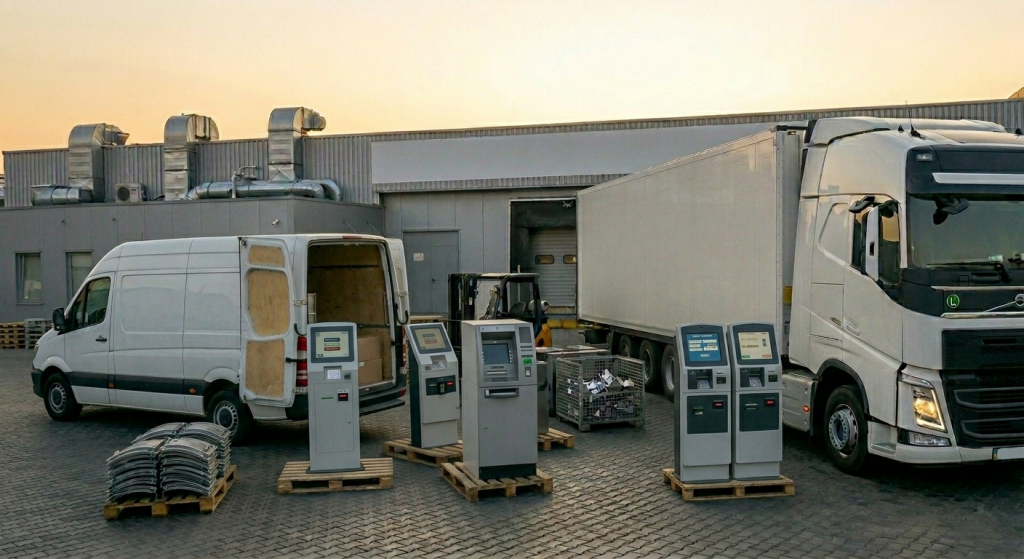
The cost and delivery time depend on the dimensions of the metal cabinet, its weight, and the location to which the product will be shipped. When ordering large batches or oversized products, it is important to consider logistics as a separate budget item.
Some manufacturers include delivery in the price when a certain order volume is reached. Orders may be shipped in separate batches or as a full shipment, which also affects delivery time.
For example, for relatively small orders, shipment and delivery time may take up to 1 week.
Summary
Based on the information above, we can summarize the key factors to consider when ordering a metal cabinet ora enclosure: material selection, manufacturing process (metalworking and assembly), production volume, design complexity, lead time, and logistics.
None of these factors represent hidden profit. Each has a clear technical and economic reason that contributes to the final price. Understanding this structure allows you to manage your budget more effectively already at the technical specification stage.
We will be happy to help you choose the right solution for your needs. Get a free consultation for your metal cabinet/enclosure project from Metabox:
How can I contact Metabox?
You can contact Metabox:
- Through phone numbers: +38 066 307 80 81 | +38 093 101 55 91
- Through e-mail: info@metabox.kiev.ua